About Us
Our Story

This organization was born out of the desire for research and community. It was created by a small family of three, looking for answers. Gay and Steve Grossman’s daughter, Lilly, spent years living with ADCY5‐related movement disorder (ADCY5‐RMD) before finally receiving a genetic diagnosis. Since then, they’ve been trailblazers for this rare disease, from driving and funding research, to bringing together families around the world, to connecting the dots between everything from genetic testing to caregiver support. This family’s initiative to find answers for their daughter has led to international visibility, scientific advancement and impact for hundreds of people living with ADCY5‐related movement disorder (ADCY5‐RMD).
Our Mission
ADCY5.org supports families affected by the ADCY5 gene variant, clinicians treating patients, and researchers pursuing treatments or a cure by collaborating or funding efforts.
We search to identify anyone affected by, or interested in, the ADCY5 variant. We engage with others interested in solving our puzzle. We collaborate and share information to move science further. We believe in not reinventing the wheel by sharing data and working as a team.
Board of Directors
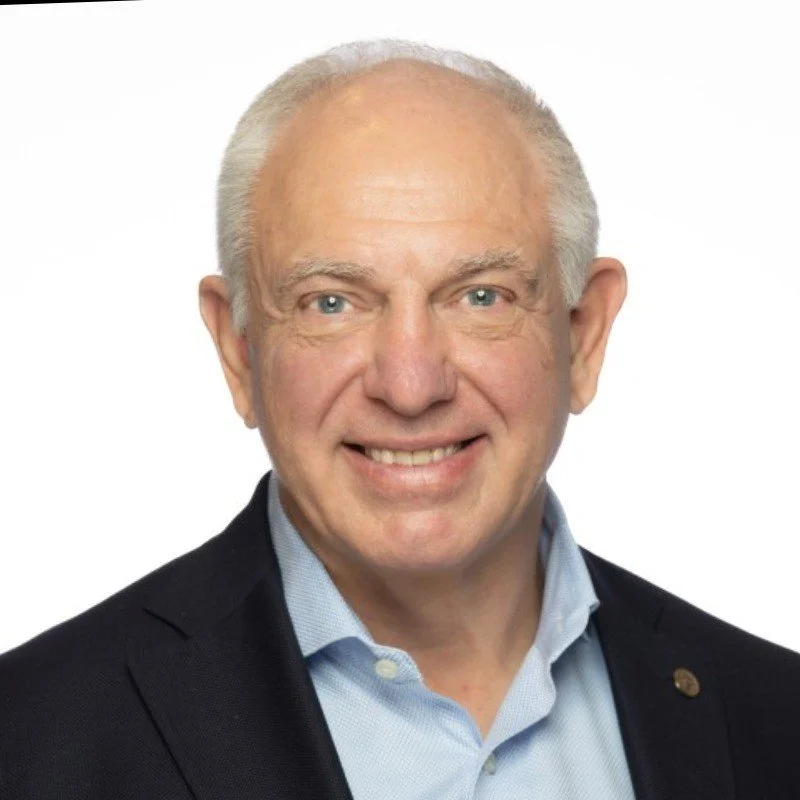
Dan Bradbury, Chairman
Dan is a Life Sciences Executive with over 30 years of experience creating and implementing strategies that transform businesses, bring novel medicines to market and maximize shareholder value. He is the Managing Member of BioBrit, LLC, a Life Sciences Consulting and Investment Firm. Dan is the former President, Chief Executive Officer and Director of Amylin Pharmaceuticals, a biopharmaceutical company based in San Diego, CA, focused on metabolic diseases. During his 18-year tenure at Amylin, the company launched three first-in-class medicines, including the first once-a-week therapy to treat diabetes and was listed on the Nasdaq 100. He served as Amylin’s Chief Executive Officer from March 2007 until its acquisition by Bristol-Myers Squibb Company in August 2012. Before joining Amylin, Dan worked in marketing and sales roles for ten years at SmithKline Beecham Pharmaceuticals.
Dan received a Bachelor of Pharmacy from Nottingham University and a Diploma in Management Studies from Harrow and Ealing Colleges of Higher Education in the United Kingdom.
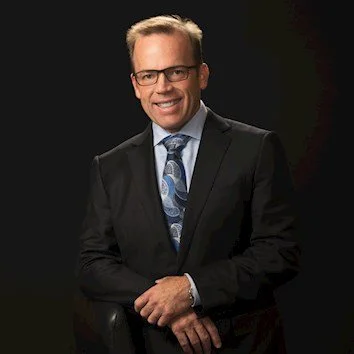
Tom Coll
Secretary
Tom Coll is a Senior Partner at Cooley LLP in San Diego and a prominent corporate and transactional attorney focused on the life sciences and emerging-company ecosystem. His practice includes corporate governance, securities, venture financings, mergers and acquisitions, licensing, corporate partnering, and capital markets. He advises both public and privately held companies, often working with biotechnology and medical-device companies from formation through IPO and beyond.
Coll has extensive experience representing biotechnology and life sciences companies and venture capital firms, including transactions involving financings, M&A, licensing and strategic partnerships. Recent Cooley matters include advising Wugen on its $115 million Series C financing and Poseida Therapeutics on its acquisition by Roche for up to $1.5 billion.
He is consistently recognized for his corporate and life-sciences work, including by Chambers USA, where he has been recognized for Corporate/M&A in San Diego, and Best Lawyers in America, where he has been recognized in Biotechnology Law and Life Sciences, Corporate Law, Venture Capital Law, and Leveraged Buyouts and Private Equity Law.
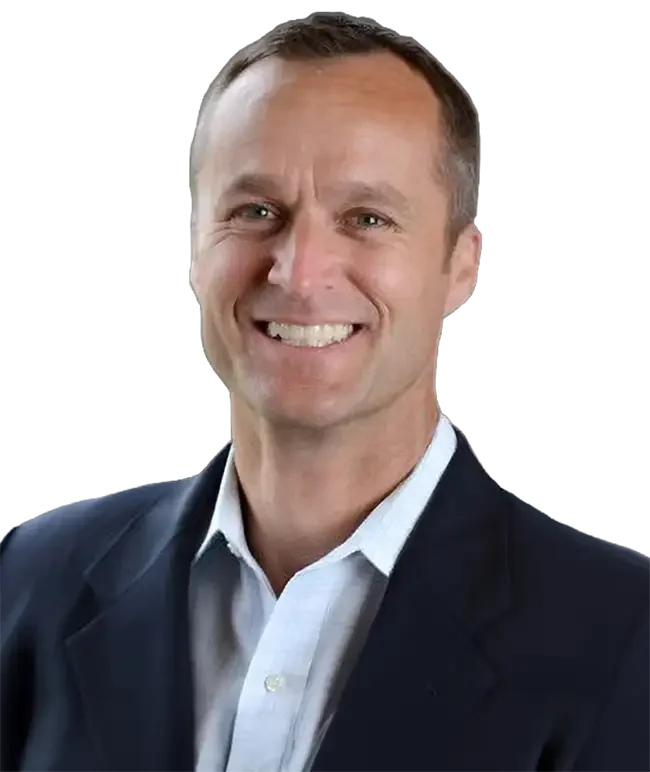
Jason Keyes, MBA
Treasurer
Jason is a biotechnology executive with nearly 25 years of experience in financial leadership, corporate strategy, and business operations across the life sciences industry. He currently serves as Executive Vice President and Chief Financial Officer of BlossomHill Therapeutics, a San Diego-based biopharmaceutical company. He joined BlossomHill in May 2025.Prior to BlossomHill, Keyes served as Chief Financial Officer of Equillium, Inc. for more than seven years, from 2018 through April 2025. Earlier, he was CFO of Orexigen Therapeutics, where he held progressively senior financial and strategic roles. His career also includes leadership positions in finance and corporate strategy at Amylin Pharmaceuticals, Amgen, and Baxter HealthcareKeyes currently serves on the Board of Directors and as Chair of the Audit Committee of Actuate Therapeutics. He previously served as a director and Audit Committee Chair at Sesen Bio.
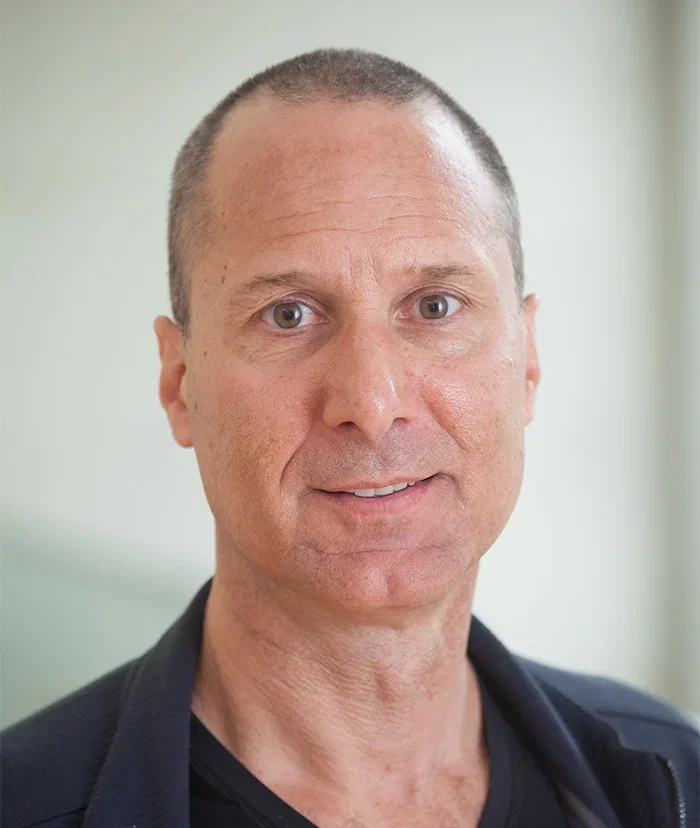
Nicholas Schork, Ph.D.
Head of Scientific Advisory Board
Dr. Schork has also held faculty appointments at Case Western Reserve University (CWRU) and Harvard University. Between 1999 and 2000 Dr. Schork took a leave of absence from CWRU to conduct research as the Vice President of Statistical Genomics at the French Biotechnology company, Genset, where he helped guide efforts to construct the first high-density map of the human genome. He has published over 500 articles in the area of the genetic dissection of complex phenotypes. These articles include both methodological and applied studies. He also has a long history of collaborative and consortium-related research in which he has contributed analysis methodology and applied data analysis expertise.
Dr. Schork has a number of patents associated with genetic analysis methodology, been involved with more than 10 start-up companies, and has mentored over 75 students and post-doctoral fellows.
Scientific Advisory Board
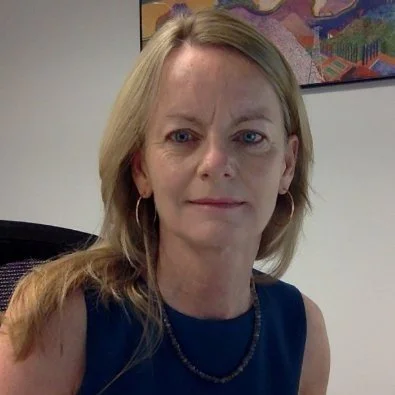
Ann Bang, Ph.D.
Dr. Bang is Assoc. Professor and Director at Sanford Burnham Prebys Medical Discovery Institute. She leads a research program at the interface of hum stem cell biology and drug discovery, focused on translating disease-relevant biology into therapeutic hypotheses. As an Associate Professor at the Sanford Burnham Prebys Medical Discovery Institute and Director of Cell Biology at the Conrad Prebys Center for Chemical Genomics, my laboratory develops induced pluripotent stem cell (iPSC) models of human disease and pairs them with quantitative, scalable phenotyping, with the long-term goal of identifying actionable targets.
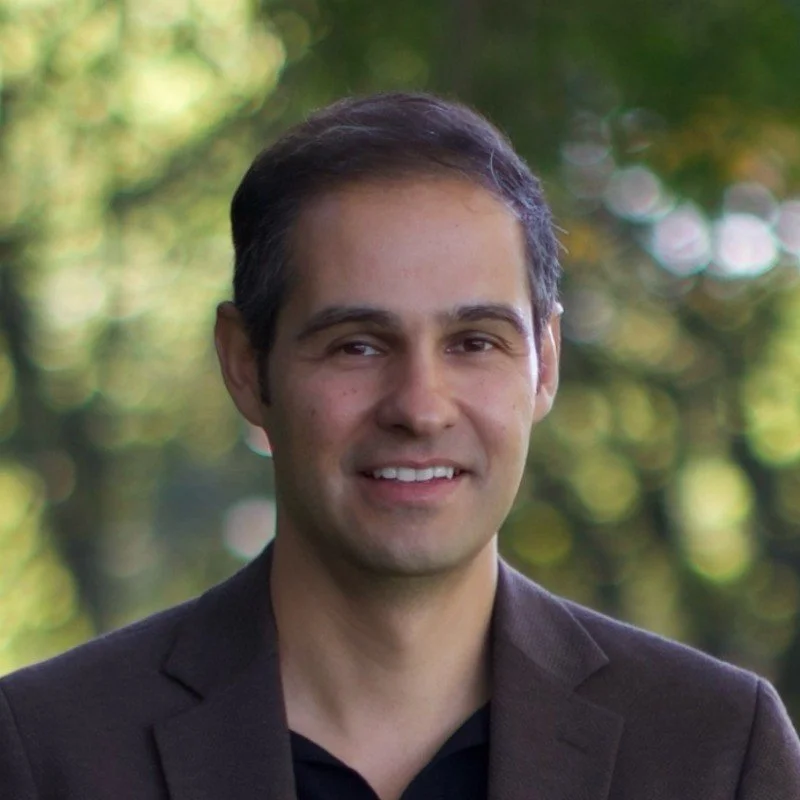
Darius Ebrahimi-Fakhari, M.D., Ph.D.
Dr. Ebrahimi-Fakhari is a pediatric neurologist and neuroscientist at Boston Children’s Hospital and Harvard Medical School, where he leads the Movement Disorders Program. His clinical and research work focuses on children and families affected by rare genetic movement and neurodegenerative disorders.
Dr. Ebrahimi-Fakhari has a particular interest in understanding the biology of rare genetic diseases and translating that knowledge into meaningful treatments for patients. His work includes ADCY5-related disorder, GNAO1-related disorder, and other rare childhood movement disorders, with research spanning disease mechanisms, natural history, and therapeutic development.
He has been closely involved in advancing the understanding of ADCY5-related disorder, including research examining treatment approaches for children living with the condition. His work reflects a commitment to bringing together clinical care, scientific discovery, and the experiences of rare-disease families.
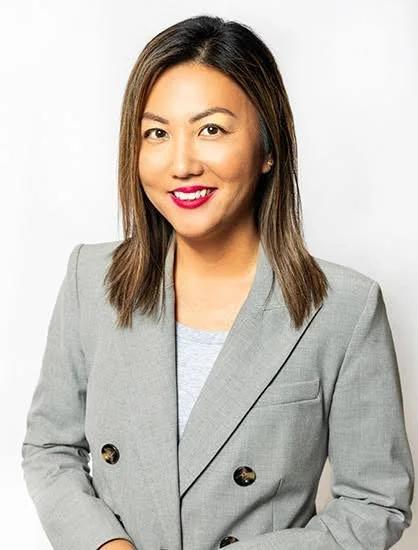
Olivia Kim McManus, M.D.
Dr. McManus is an Associate Clinical Professor of Neurosciences at UC San Diego School of Medicine and a board-certified pediatric neurologist, epileptologist, and clinical neurophysiologist at Rady Children’s Hospital–San Diego. Her clinical and research work focuses on rare genetic epilepsies, precision therapeutics, and individualized genetic therapies for children with severe neurological disorders. She directs the Rady Precision Therapeutics Neuro-Interventional Program and is a principal investigator on studies developing personalized antisense oligonucleotide (ASO) therapies for children with rare genetic disorders.
Dr. Kim-McManus has particular expertise in epilepsy genetics, medically refractory epilepsy, clinical neurophysiology, and advanced epilepsy surgery. She also established and directs Rady Children’s Neuro-Infusion Program for Batten disease. Her current research includes n-of-1 therapies designed around an individual patient's specific genetic mutation, as well as clinical trials involving ASOs for rare developmental and epileptic encephalopathies.
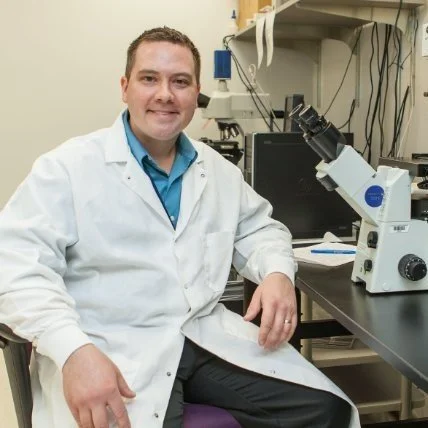
Michael Kruer, M.D.
Dr. Kruer is a pediatric neurologist and physician-scientist specializing in genetic and movement disorders. He is Director of the Pediatric Movement Disorders Program at Barrow Neurological Institute at Phoenix Children’s and an Associate Research Professor at the University of Arizona College of Medicine – Phoenix.
His research focuses on understanding how genetic changes cause childhood movement and neurodevelopmental disorders, with the goal of improving diagnosis and treatment. His work has contributed to the scientific understanding of rare genetic movement disorders, including disorders involving ADCY5, and spans human genetics, disease mechanisms, and translational research.
A longtime advocate for families searching for answers to rare neurological conditions, Dr. Kruer combines clinical care with laboratory research aimed at turning genetic discoveries into better treatments for children and their families.
Shekeeb Mohammad, M.D.
Paediatric neurologist- movement disorders, Associate Professor in Medicine
Shekeeb is a pediatric neurologist and clinician-scientist at Westmead Children’s Hospital and the University of Sydney, with expertise in movement disorders, neuroimmunology, epilepsy, and rare neurological diseases. His research has focused particularly on autoimmune neurological disorders and the neurological manifestations of conditions such as anti-NMDA receptor encephalitis.
He has contributed to international research examining complex movement disorders in children, including collaborative work with leading movement-disorder and autoimmune-neurology experts. His publications include research in the Journal of Neurology, Neurosurgery & Psychiatry and EBioMedicine, including work examining movement disorders and the molecular biology of neurodevelopmental disorders.
Dr. Mohammad is also an active international educator and speaker in child neurology, including presentations at the International Child Neurology Congress.
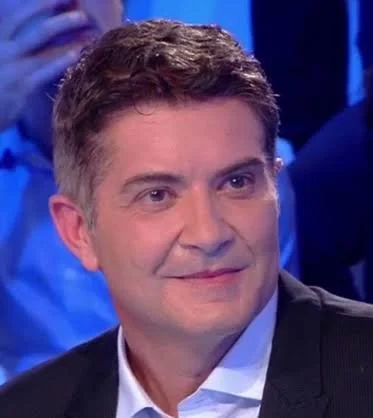
Emmanuel Flamand-Roze, M.D., Ph. D.
Dr. Roze is a professor of Neurology at Sorbonne University in Paris. He is consultant neurologist at the movement disorders clinic with a special expertise in children movement disorders, and as scientific researcher at Paris Brain institute, within the Salpêtrière Hospital (Paris). His main research interests are neurodevelopmental disorders of the motor system and particularly dystonia and mirror movements. He studies clinical aspects, genetic causes and neurophysiological mechanisms and also works on experimental therapeutics in preclinical models and patients with movement disorders.
He published about 250 papers, mostly on these topics. As a teacher at the university, he has implemented an innovative simulation-based medical education program using role-play to teach neurology.
In the past, he received the award of the French neurological society and the Breughel price for his works on dystonia and the “pilot project” award of the dystonia coalition (supported by the NIH/USA) for a project studying the role of the cerebellum in focal dystonia.
Advisors
Timothy S. Chang, M.D., Ph. D.
Associate Professor at David Geffen School of Medicine at UCLA
Dr. Chang is a neurologist and physician-scientist at UCLA specializing in movement disorders and genetic neurological disease. He is an Associate Professor of Neurology at the David Geffen School of Medicine at UCLA and is part of the UCLA Movement Disorders Program.
Dr. Chang’s research combines clinical neurology, genetics, genomics, and biomedical informatics to better understand how genetic and biological factors contribute to neurological disease. His clinical expertise includes genetic movement disorders and dystonia, as well as neurodegenerative disorders.
Dr. Chang has contributed to the scientific understanding of ADCY5-related disorder, including research examining the clinical and genetic features of individuals with ADCY5 variants. His work reflects the importance of combining genetic discovery with careful clinical characterization to better understand rare neurological diseases and ultimately advance precision approaches to care.
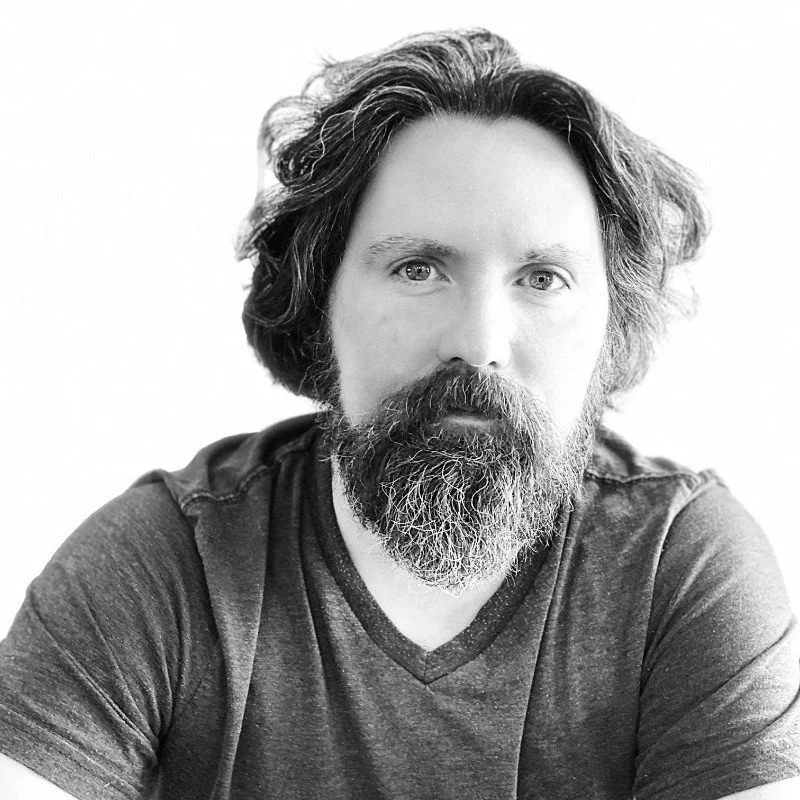
Chris Hart, Ph.D.
Chris is a biotech and computational biology leader with more than two decades of experience at the intersection of genomics, machine learning, and therapeutic development. He co-founded Creyon Bio, a San Diego biotechnology company focused on engineering RNA-based medicines, after building and leading the Functional Genomics group at Ionis Pharmaceuticals. At Ionis, he oversaw genomics and bioinformatics efforts and translational ‘omics and drug-discovery programs spanning rare and common diseases.
Dr. Hart earned his Ph.D. in Biology and Computer Science Applications in Biotechnology from the California Institute of Technology and completed postdoctoral training at Yale University. His career also includes academic research and work advising the White House Office of Science and Technology Policy on personalized medicine and international health research.
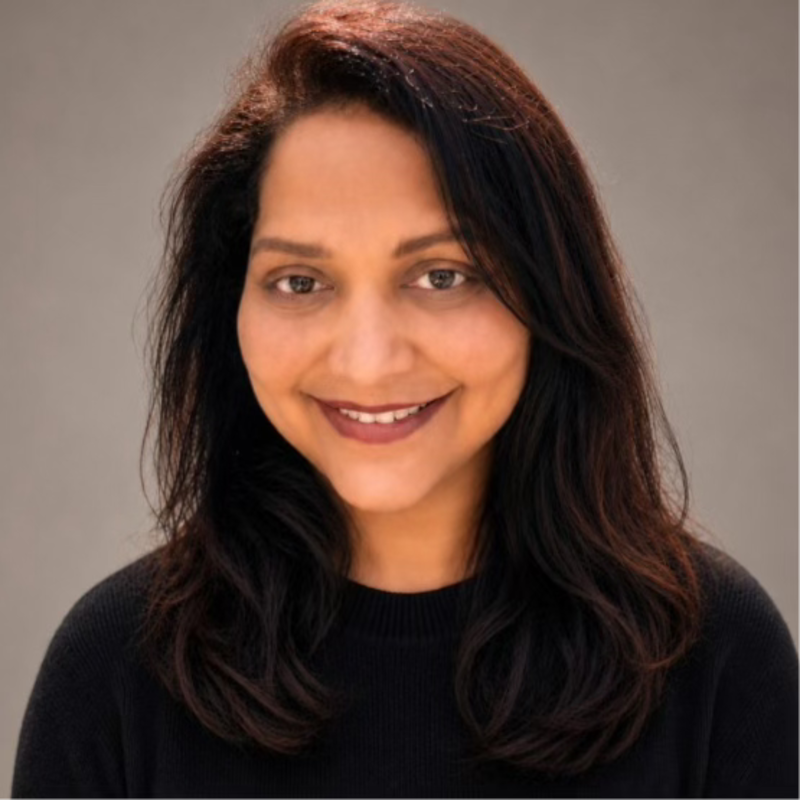
Uma Lakshmipathy
Uma is Chief Scientific Officer & Co-Founder at neucellbio. Prior to this, she was Director of R&D in Science and Technology and Head of Patheon Translation Services supporting Advanced Therapies in Pharma Services Group at Thermo Fisher Scientific. Her work has focused on tools and technologies for stem cells and characterization platforms for cell therapies. Her work has resulted in the development of novel cell engineering platform to modify stem cells, robust reprogramming systems to generate induced pluripotent stem cells and comprehensive characterization tools for cell therapy applications.
She has authored several scientific publications, books, patents and currently serves as member of many Committees and Advisory Boards. Uma has a doctoral degree in Molecular Biophysics from the Center for Cellular and Molecular Biology in India and postdoctoral experience in DNA double strand break repair from University of Minnesota Medical School. As a junior faculty at the Stem Cell Institute, University of Minnesota, her work involved developing ex vivo gene repair systems that enable correction of single gene mutations in adult stem cells.
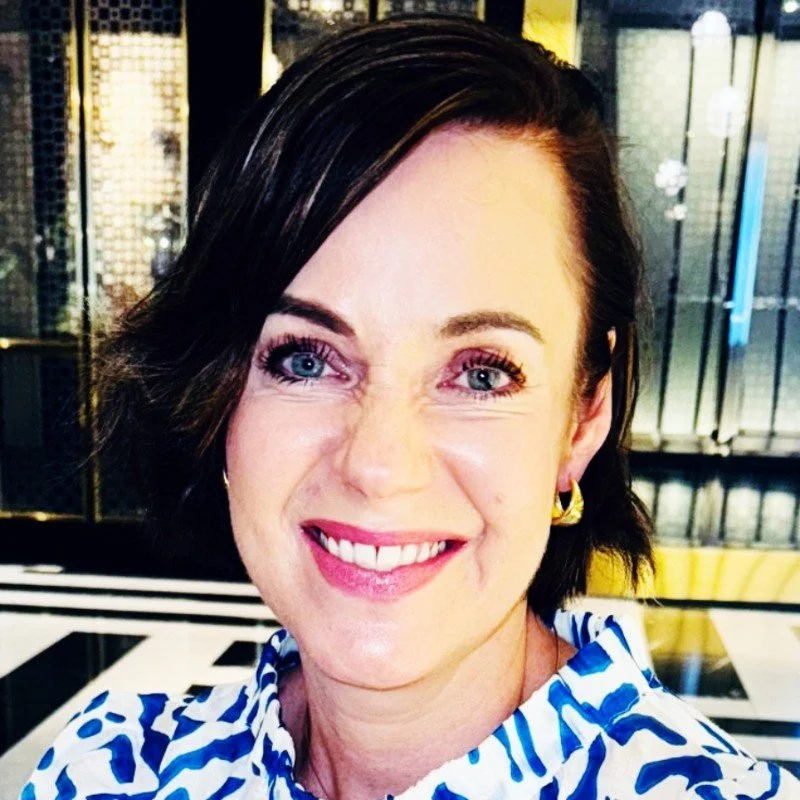
Emma Maly
Emma is the proud mother of Grace with ADCY5-related movement disorder. She has a Bachelor of Nursing graduating from the University of Technology Sydney in 1998.
Emma has worked in Acute Cardiology and Oncology at both Royal North Shore Hospital, Sydney Australia and the Mater Hospital Sydney Australia. Following this, she worked in the Pharmaceutical Industry for the following companies Lundbeck Australia, as a Field Education Specialist in the area of psychiatry medications and Mayne Pharmaceuticals as a Specialist Sales Representative in their Oncology team. Also at Amgen Australia, a Biotechnology company in the following roles as a Specialist Representative in Oncology, Field Education-Training Specialist and Product Specialist.
She has also worked casually in retail in between having three children. Her most recent role is a full time carer for Grace, helping her to reach her fullest potential whilst she navigates through life living with ADCY5-related movement disorder, as well as caring for her two older brothers .
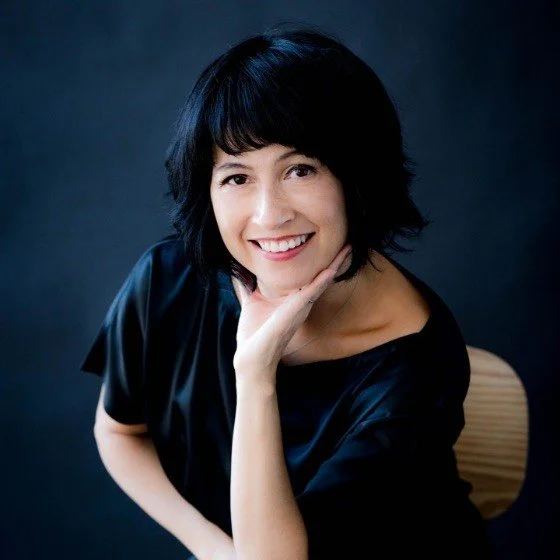
Tamara Pringsheim, M.D., Ph.D.
Dr. Pringsheim is a Professor in the Departments of Clinical Neurosciences, Psychiatry, Pediatrics, and Community Health Sciences at the University of Calgary and a neurologist specializing in movement disorders, neuropsychiatry, and neurodevelopmental disorders. She is the Program Lead of the Tourette Syndrome and Pediatric Movement Disorders Program at Alberta Children’s Hospital and Deputy Director of the Mathison Centre for Mental Health Research and Education.
Dr. Pringsheim’s clinical and research work focuses on improving care for children and adults with movement disorders and neurodevelopmental conditions, with particular expertise in Tourette syndrome, tics, dystonia, tremor, and evidence-based treatment. Her research emphasizes rational pharmacotherapy, clinical practice guidelines, care pathways, and other approaches that translate research into better patient and family care. She also serves as an evidence-based medicine methodologist for the American Academy of Neurology and is President of the Tourette OCD Alberta Network.
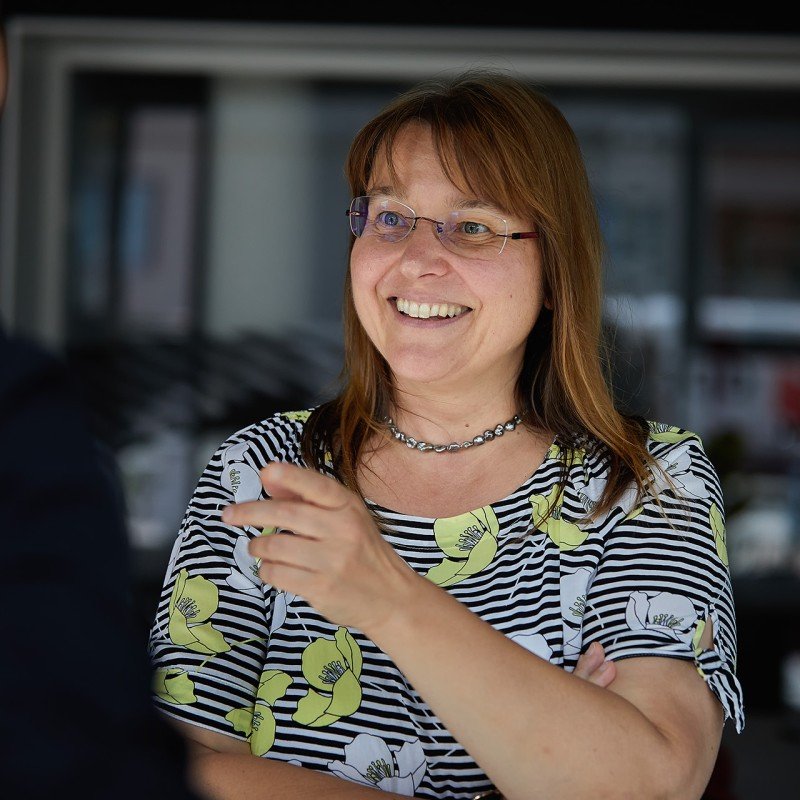
Andrea Sinz, Ph. D.
Dr. Sinz is a Professor of Pharmaceutical Chemistry and Bioanalytics at Martin Luther University Halle-Wittenberg in Germany and Head of the university’s Center for Structural Mass Spectrometry. Her research focuses on understanding protein structure and protein–protein interactions using advanced mass spectrometry and biochemical approaches.
Dr. Sinz has made important contributions to research on ADCY5-related dyskinesia, collaborating with researchers at the University of Leipzig to investigate how ADCY5 mutations affect cellular signaling and how existing medications might be repurposed as potential treatments. Her work contributed to studies demonstrating the effects of theophylline and related compounds on ADCY5 activity and, more recently, to a clinical case series evaluating theophylline in people with ADCY5-related dyskinesia.
Dr. Sinz received her pharmacy degree from the University of Tübingen and her PhD in Pharmaceutical Chemistry from the University of Marburg.
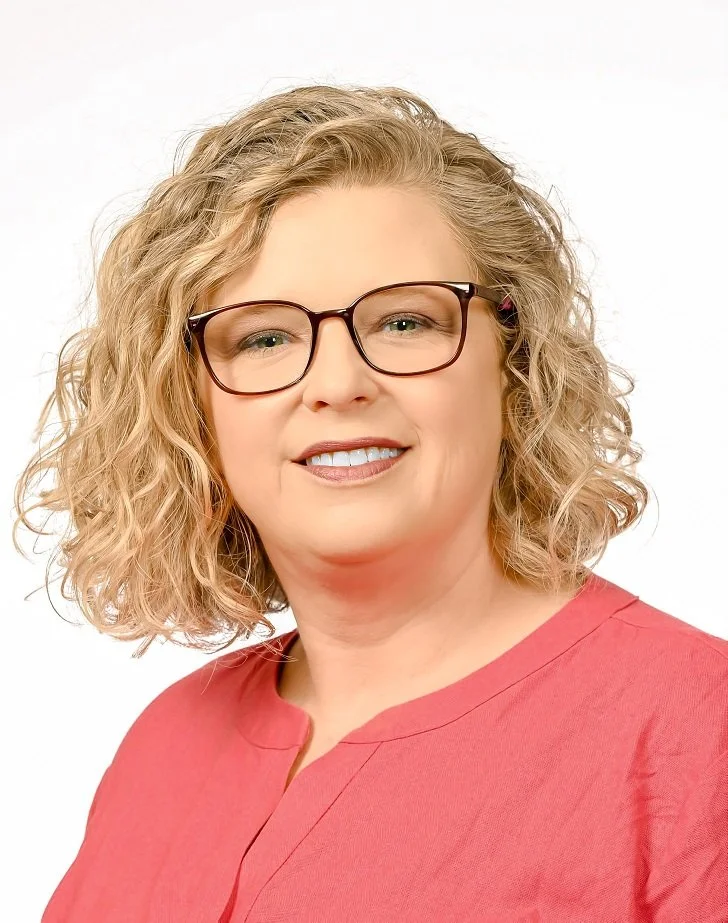
Marla Tobia
Marla is the parent of a teenage daughter, Laura with ADCY5-related dyskinesia. Marla graduated from Eastern Kentucky University with a BSN in 1998 and worked as an RN for the University of Kentucky in the Neonatal Intensive Care Unit.
She obtained a Masters of Science in Nursing from the University of Louisville in 2003 and now works as a Neonatal Nurse Practitioner at Winnie Palmer Hospital for Women and Babies, one of the largest Neonatal Intensive Care Units in the world. Marla formerly worked as a NNP for the University of Kentucky, St. Vincent Women’s Hospital and Johns Hopkins All Children’s Hospital.
She currently sits on multiple hospital committees and her special interests include neonatal intestinal surgical patients, congenital diaphragmatic hernias and pulmonary hypertension in infants.
Partner Organizations


Support Our Work
Support our work through a donation or sharing your experience with ADCY5‐related movement disorder (ADCY5‐RMD).